
MISTLE THRUSH, TURDUS VISCIVORUS
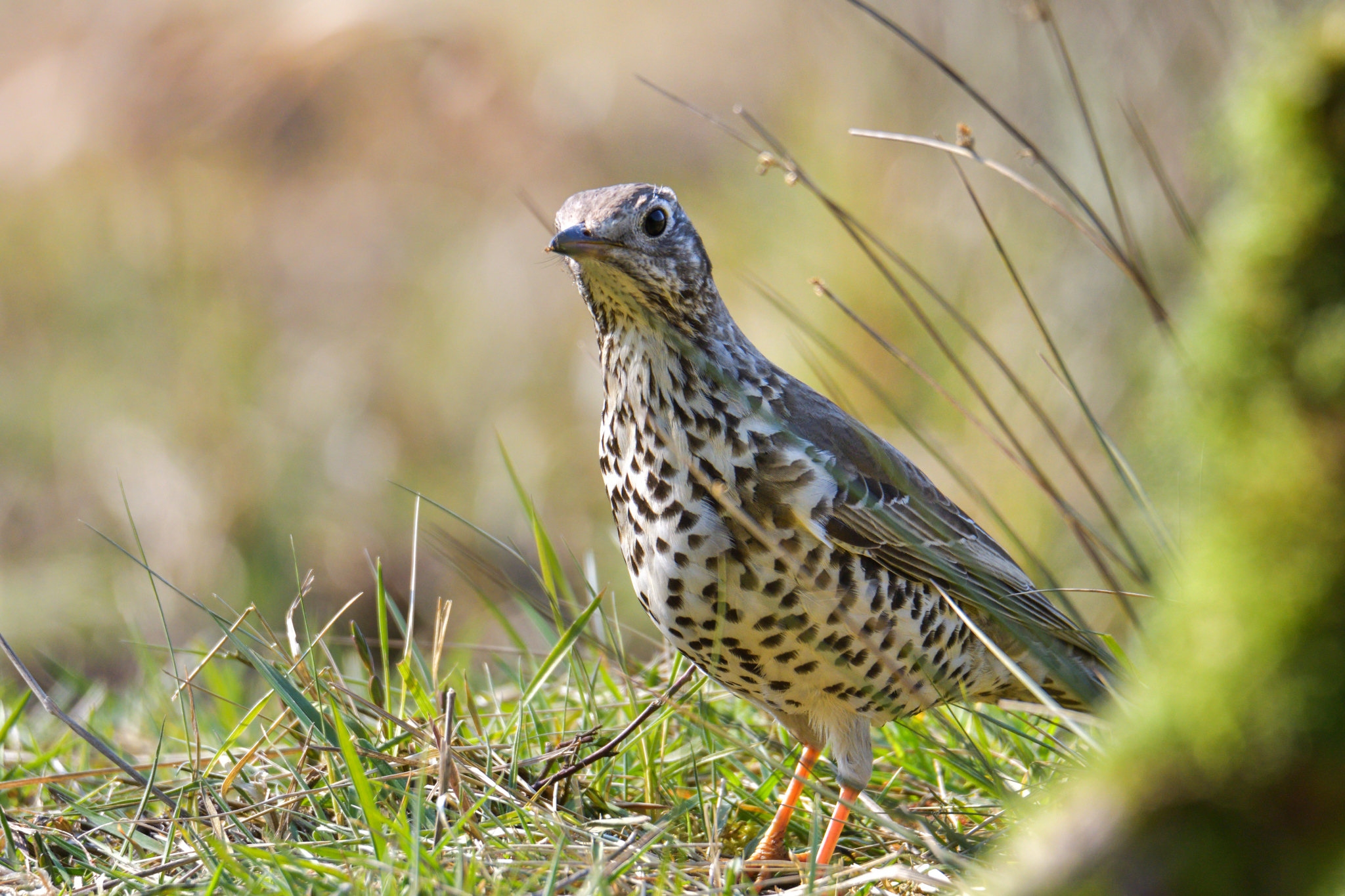


Mistle thrush, Turdus viscivorus
Size:
length about 26–29 cm (10–11 in), wingspan about 42–48 cm (17–19 in), weight about 100–140 g.
IOC (v15.2): order Passeriformes, family Turdidae (thrushes). The largest thrush in Poland. It is greyish-brown above, with white or creamy underparts covered in large, round, black spots. It has pale tips to the outer tail feathers and white underwings, visible in flight. Young birds are paler and have small pale spots on the upperparts. It gives a dry, rattling call.
It lives in coniferous and mixed forest, forest edges, parks and orchards. It forages on the ground for earthworms, snails and insects, and in autumn and winter eats fruit and berries, especially mistletoe and rowan. It builds its nest high in the fork of a tree. It starts singing already in late winter, from a treetop.
In Poland the mistle thrush breeds across the country and is partly migratory; some birds winter locally. In Polish law the species has strict protection.
Did you know?
The Latin name viscivorus means “mistletoe-eater”: the mistle thrush eats its sticky berries and passes the seeds onto tree branches, helping to spread the plant. In Britain it is called the “stormcock” – in winter it often sings loudly during storms and gales. In winter it can also fiercely defend a tree full of fruit against other birds.

